
When modern buildings demand reliable and safe electrical distribution, the question arises: can an 800kVA Dry Transformer be installed directly inside a building without a dedicated vault? Recent advancements in transformer design and materials make this more feasible than ever, combining high power capacity with space-saving, fire-safe construction.
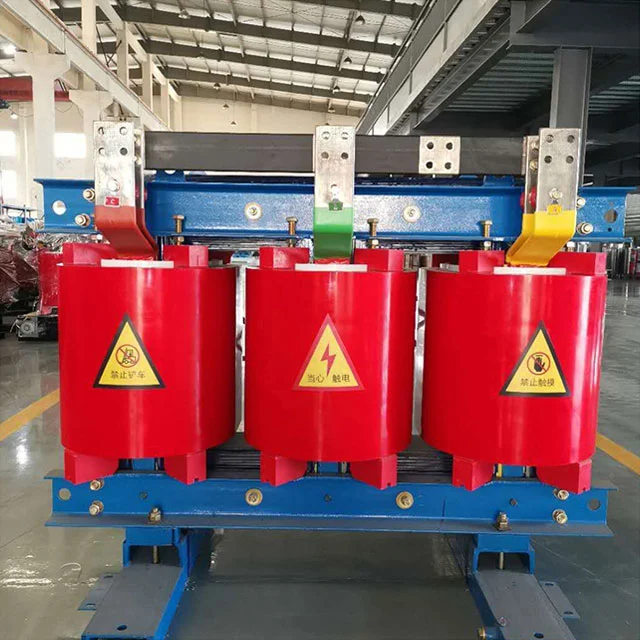
Dry-type transformers, unlike their oil-filled counterparts, use epoxy resin or other solid insulation materials to eliminate the risk of oil leaks. This feature significantly reduces fire hazards and maintenance concerns, making them suitable for indoor installations. The Dry Transformer, in particular, balances high capacity with compact dimensions, allowing integration in high-rise buildings, commercial centers, and even industrial complexes with space limitations.
Safety First: Without combustible oil, dry transformers are inherently fire-resistant. Modern designs meet international standards for flame retardancy, making them ideal for environments where strict fire codes are enforced.
Low Noise Operation: Advanced cooling and vibration control reduce noise levels, ensuring minimal disturbance to occupants in commercial and residential settings.
Environmental Benefits: Solid insulation eliminates the risk of oil spills and contamination, supporting sustainability initiatives in urban infrastructure projects.
| Feature | Benefit |
| Epoxy Resin Insulation | Fire-retardant, moisture-proof, maintenance-free |
| Cross-flow Cooling Fan | Low noise, enhanced heat dissipation |
| F-Class Copper Coil | High efficiency, durable under heavy load |
| High-Permeability Silicon Steel Core | Reduces energy losses, limits vibration and noise |
Installing an 800kVA Dry Transformer inside a building requires understanding several engineering aspects. Although the absence of oil removes the need for a vault, considerations for heat dissipation, load capacity, and access for maintenance remain crucial. Modern dry transformers integrate intelligent temperature controllers and top-blowing cooling systems, allowing operation at full rated load while maintaining safety and efficiency.
High-capacity transformers like the Dry Transformer are designed to occupy minimal floor space relative to their power output. The use of compact epoxy-insulated coils and non-stacked iron yokes allows for flexible placement in mechanical rooms, basements, or even near load centers. When planning installation, designers must ensure adequate ventilation and clearance for airflow around the unit to maximize cooling efficiency.
The reliability of indoor transformers is critical for facilities where consistent power delivery is non-negotiable. The Dry Transformer uses high-quality F-class insulated copper coils and high-permeability silicon steel cores. These components ensure low energy loss, minimal partial discharge, and the ability to handle temporary overloads safely. Such specifications are essential in settings like hospitals, data centers, and airports, where power interruptions can have significant operational impacts.
While traditionally confined to outdoor yards or dedicated transformer vaults, dry transformers are now proving their versatility in indoor settings:
- High-rise Buildings: Fire safety and space constraints make dry transformers a preferred choice for rooftop or basement installations.
- Commercial Centers and Airports: Low maintenance and high reliability ensure continuous service in high-traffic areas.
- Industrial Sites: Factories with substantial load demands benefit from the compact, efficient design of dry transformers without additional containment structures.
| Installation Type | Typical Requirement | Dry Transformer Advantage |
| Outdoor Vault | Fire-resistant enclosure, oil containment | Not needed, inherently safe |
| Indoor Mechanical Room | Ventilation, noise control, maintenance access | Compact, low noise, maintenance-free |
A frequent concern is whether indoor installation might compromise transformer lifespan or safety. Thanks to modern epoxy casting, robust copper windings, and high-quality steel cores, the 800kVA Dry Transformer withstands high humidity, heat, and load fluctuations without pre-drying or specialized enclosures. This durability ensures reliable performance over many years with minimal operational intervention.
Indoor installations must meet local fire codes, and dry transformers simplify compliance. The elimination of flammable oil and adoption of flame-retardant materials reduce the complexity of safety approvals, enabling faster project timelines and reduced overall building modifications.
Built-in monitoring systems, intelligent temperature control, and efficient airflow designs minimize human intervention. Unlike oil-filled units that require periodic inspections, the Dry Transformer can operate safely with routine checks, reducing operational downtime while maintaining energy efficiency.
Installing an 800kVA Dry Transformer inside a building without a vault is not only possible but increasingly practical due to advances in materials, thermal management, and design engineering. Its compact footprint, fire-resistant construction, low noise, and high efficiency make it a versatile solution for modern infrastructure demands. Whether in high-rise commercial centers, industrial facilities, or critical institutional environments, this transformer addresses both operational reliability and sustainability concerns.
For those evaluating indoor power solutions, the SGOB Dry Transformer from Shanghai Industrial Transformer Co., Ltd. provides a balance of performance, safety, and environmental responsibility that aligns with today's urban and industrial energy requirements.


