
Photovoltaic Transformer is a specialised type of electrical transformer designed to support solar photovoltaic (PV) energy systems by converting and conditioning electricity between solar inverters and the electrical grid or local loads. In modern solar power plants and distributed energy projects, photovoltaic transformers are indispensable components that help ensure compatibility, safety, and efficient power transmission.
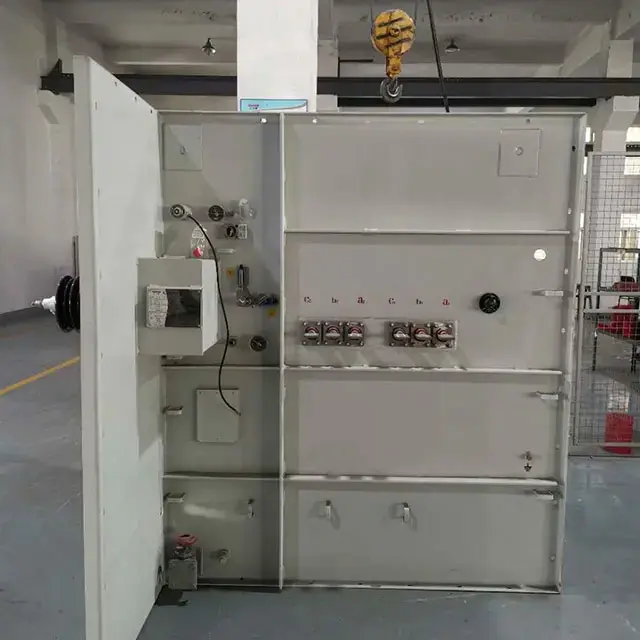
A photovoltaic transformer serves three primary functions within solar power generation systems:
| Component | Function | Voltage Range |
|---|---|---|
| Solar Panels | Convert sunlight to DC electricity | Up to ~1100 V DC |
| Inverter | Convert DC to AC | 400–800 V AC |
| Photovoltaic Transformer | Step-up/step-down & isolation | 400 V AC → up to 35 kV or more |
| Grid / Load | Transmit and supply electricity | Medium/High Voltage |
Photovoltaic transformers are essential because they ensure that electricity generated from solar panels is safe, efficient, and compatible with utility grids or local distribution networks. Solar plants generate variable power based on irradiance and weather conditions; transformers help stabilise and prepare that power for reliable use.
At its core, a photovoltaic transformer functions similarly to traditional power transformers but is specifically engineered to cope with PV environments:
The transformer processes AC power from the inverter, stepping it up to medium- or high-voltage levels suitable for grid interconnection, typically ranging from 6.6 kV to 35 kV or higher for utility-scale installations.
There are several configurations depending on application size and design:
Photovoltaic transformers are commonly installed:
| Feature | Photovoltaic Transformer | Conventional Transformer |
|---|---|---|
| Design Purpose | Designed for variable loads and inverter harmonics | Designed for stable grid conditions |
| Harmonic Management | Includes features to mitigate inverter harmonics | Standard insulation and winding only |
| Installation Environment | Outdoor renewable energy settings | Indoor/outdoor general distribution |
| Voltage Characteristics | Matches inverter output and grid requirements | Matches grid distribution needs |
A photovoltaic transformer is a transformer specifically engineered for solar power systems that converts and conditions electricity from solar inverters to levels suitable for grid integration or local power use, often with additional features to manage inverter harmonics and environmental stresses.
Unlike conventional transformers that operate under steady grid conditions, photovoltaic transformers are designed to handle fluctuating loads, inverter harmonics, and variable environmental conditions common in solar power generation applications.
Electrical isolation provided by photovoltaic transformers prevents faults or disturbances from the PV system from propagating into the grid, improving safety and protecting equipment on both sides of the connection.
Yes — high-quality photovoltaic transformers can reduce harmonics, stabilise voltage, and improve power quality, enhancing overall system performance.
They are most commonly used in utility-scale solar farms, distributed rooftop PV systems, and hybrid installations requiring adaptation between inverter outputs and grid or local network requirements.


