
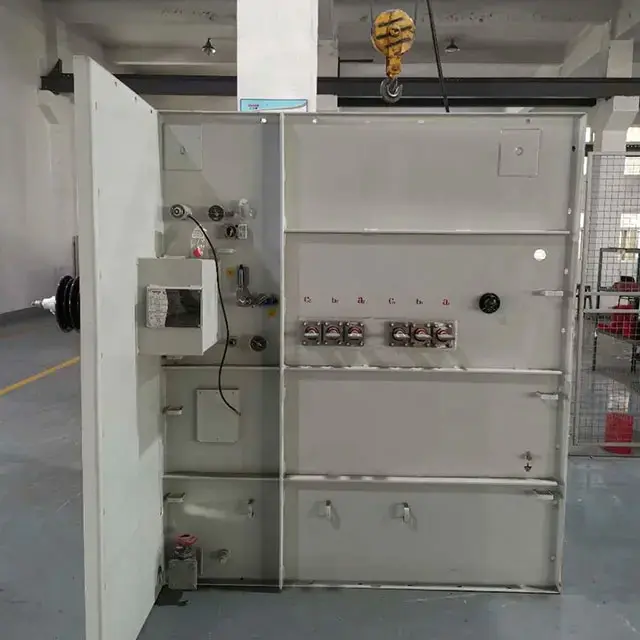
A Photovoltaic Transformer must therefore combine electrical performance with environmental durability. K-factor design indirectly contributes to this by reducing internal thermal stress, which is often worsened by external heat conditions.
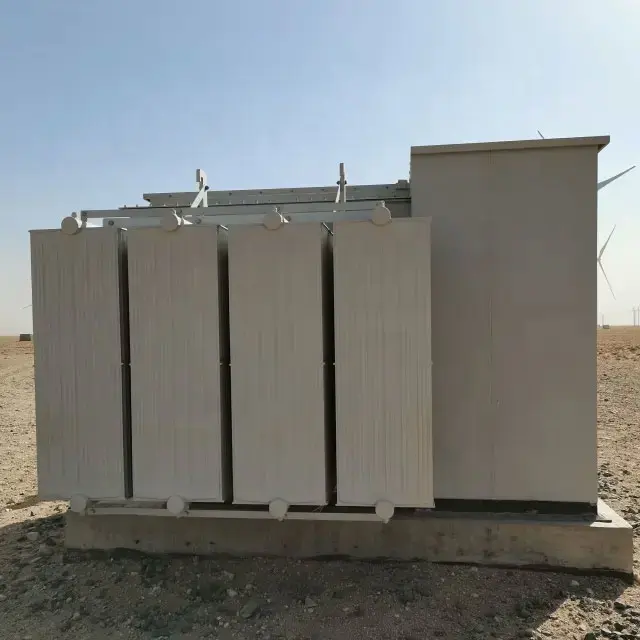
A 1600kVA wind power transformer voltage ratio must remain stable under these conditions. Even small deviations in voltage ratio behavior can affect grid synchronization or cause energy loss.
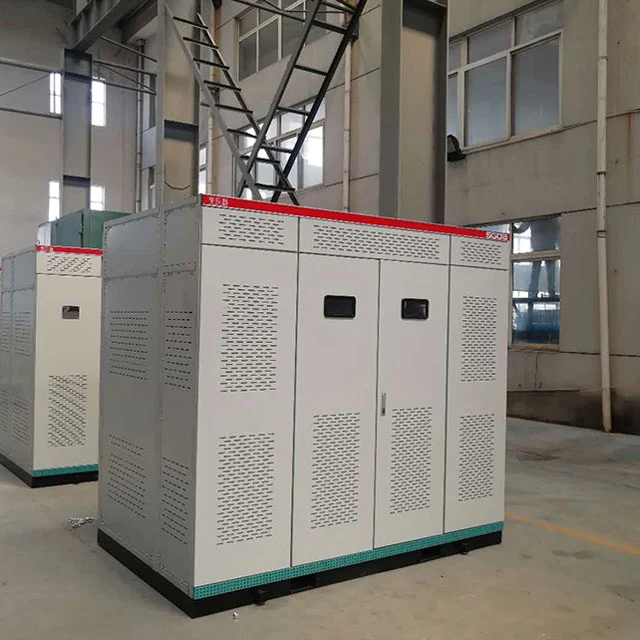
Oil-filled transformers contain large volumes of mineral oil, which can become flammable under fault conditions. If internal insulation fails or overheating occurs, the oil may reach ignition temperatures, increasing the risk of fire propagation. A 50kva Dry Transformer, on the other hand, eliminates this risk factor by design. Without liquid insulation, there is no combustible medium that can leak, ignite, or spread flames.
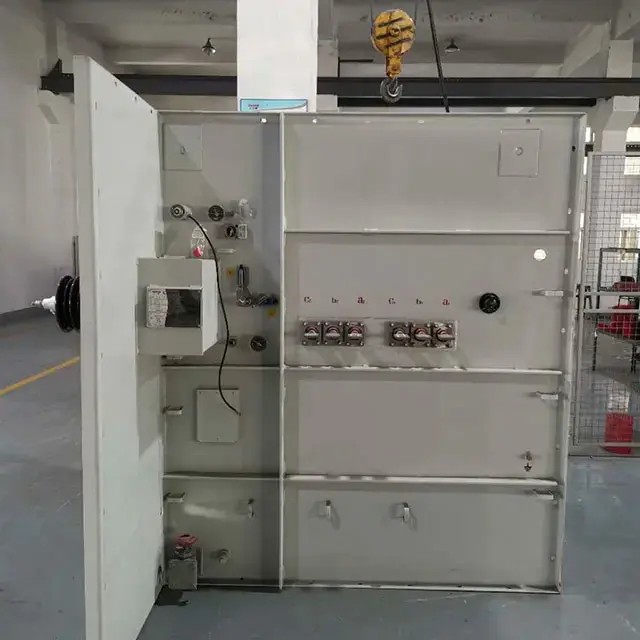
The 1600kVA Photovoltaic Transformer from Shanghai Industrial Transformer Co., Ltd. provides the necessary balance of performance and reliability for large solar projects. By reducing energy losses, supporting high-capacity loads, and complying with international safety standards, it has become a preferred option for solar energy professionals aiming to optimize power distribution across extensive PV installations.
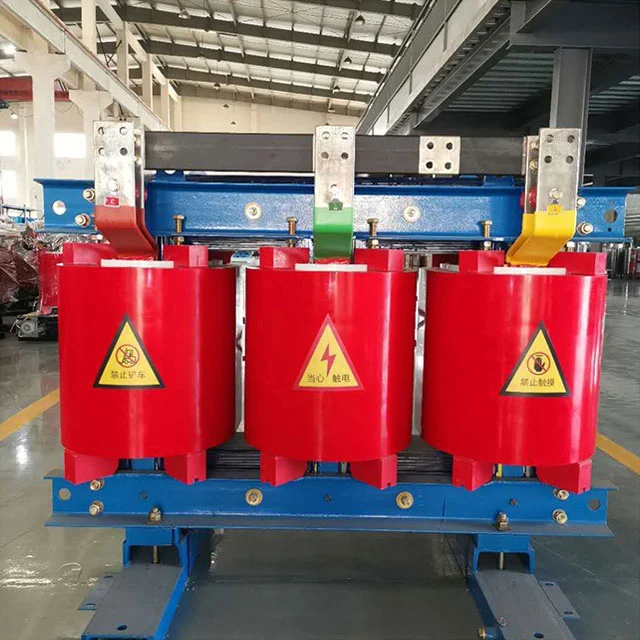
Installing an 800kVA Dry Transformer inside a building requires understanding several engineering aspects. Although the absence of oil removes the need for a vault, considerations for heat dissipation, load capacity, and access for maintenance remain crucial. Modern dry transformers integrate intelligent temperature controllers and top-blowing cooling systems, allowing operation at full rated load while maintaining safety and efficiency.
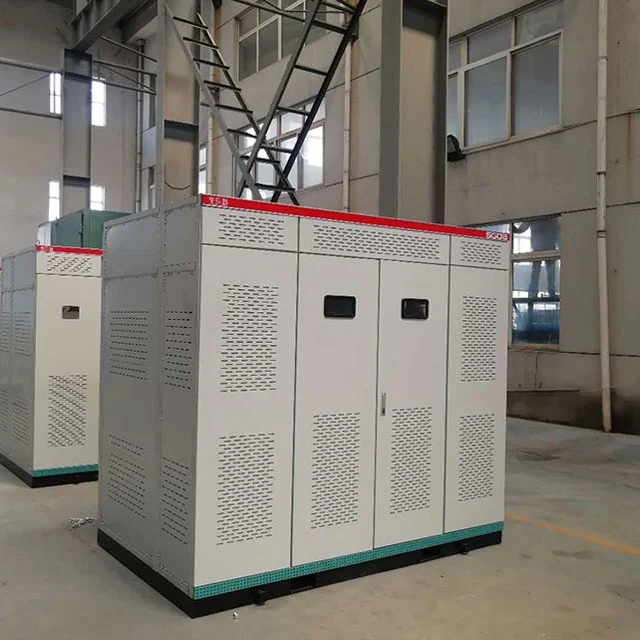
Indoor and outdoor installations can both be suitable for a modern 160kVA Dry Transformer, provided the operating environment is carefully evaluated and proper protection measures are implemented. Indoor locations generally offer superior environmental control and simplified maintenance, while outdoor installations provide flexibility when space constraints or project requirements demand it.


