
When evaluating power distribution solutions, SGOB notes that selecting the right 160kVA Dry Transformer is not only about capacity—it is also about choosing the correct installation environment for long-term reliability and safety.
As industrial facilities, commercial buildings, and public infrastructure projects continue to modernize their electrical systems, dry-type transformers are becoming an increasingly common choice. Yet one practical question frequently arises during project planning: should the dry transformer be installed indoors or outdoors?
The answer depends on several environmental, operational, and safety factors. Understanding these considerations can help project teams avoid unnecessary maintenance issues, improve equipment lifespan, and ensure stable power delivery for years to come.
A transformer may perform exceptionally well in laboratory testing, but real-world operating conditions often present different challenges. Temperature fluctuations, moisture, dust, ventilation quality, and available installation space all affect performance.
For electrical planners, choosing the right installation location is often as important as selecting the transformer itself.
Dry-type transformers have become popular because they eliminate many concerns associated with oil-filled systems. Without liquid insulation, they reduce the risk of leakage and simplify maintenance. However, installation requirements still vary depending on whether the unit is placed indoors or outdoors.
Unlike oil-immersed designs, dry transformers use cast resin or vacuum-pressure impregnated insulation systems to protect the windings.
Key advantages include:
- Improved fire safety
- Reduced maintenance requirements
- Environmentally friendly operation
- Easier installation in populated areas
- Lower risk of contamination from oil leakage
These benefits make 160kVA Dry Transformer suitable for a wide range of applications, including factories, office buildings, hospitals, educational campuses, shopping centers, and utility facilities.
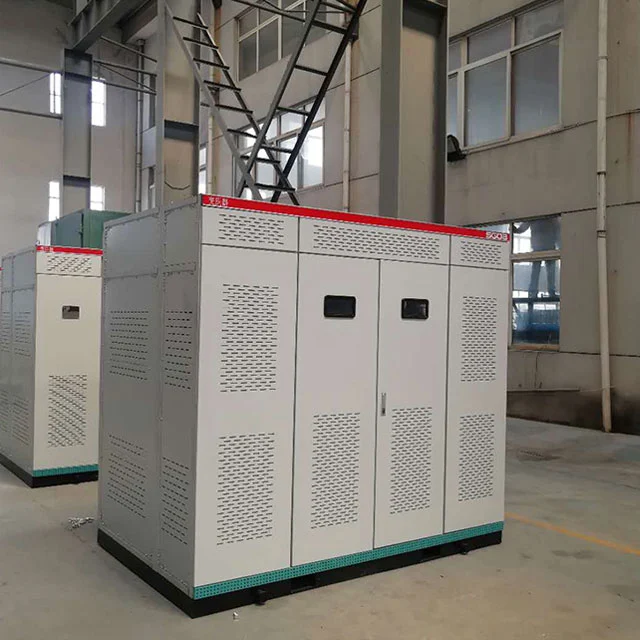
For many projects, indoor installation remains the preferred option.
Indoor environments naturally shield equipment from:
- Rain
- Snow
- Direct sunlight
- Airborne contaminants
- Excessive humidity
As a result, transformer components experience less environmental stress, which can contribute to longer service life.
Although dry transformers generate heat during operation, indoor electrical rooms often provide controlled ventilation systems.
Proper airflow helps maintain stable operating temperatures and prevents overheating during peak demand periods.
Indoor placement typically reduces exposure to unauthorized access, accidental impacts, and environmental damage.
This is particularly valuable in commercial complexes, hospitals, and educational institutions where uninterrupted power is critical.
| Facility Type | Common Purpose |
| Office Buildings | Power distribution |
| Hospitals | Critical equipment support |
| Data Centers | Stable power supply |
| Shopping Malls | Lighting and HVAC systems |
| Schools and Universities | Campus electrical networks |
The short answer is yes—but only under suitable conditions.
Modern transformer technology has significantly expanded outdoor installation possibilities. However, additional protective measures are often required.
Unlike indoor installations, outdoor environments expose equipment to:
- Rainfall
- UV radiation
- Dust storms
- Salt-laden coastal air
- Wide temperature variations
To address these challenges, outdoor installations typically require protective enclosures with appropriate ingress protection ratings.
A common mistake is focusing solely on weather protection while neglecting cooling requirements.
Even inside an outdoor enclosure, adequate airflow remains necessary. Poor ventilation can lead to excessive heat buildup and reduced efficiency.
Outdoor deployment may be suitable when:
- Indoor electrical room space is limited
- Industrial operations require equipment near production areas
- Remote infrastructure projects lack enclosed facilities
- Renewable energy installations need field-based power distribution
In such situations, proper enclosure design becomes a critical part of the overall electrical system.
| Factor | Indoor Installation | Outdoor Installation |
| Weather Exposure | Minimal | High |
| Maintenance Frequency | Lower | Moderate |
| Ventilation Control | Easier | More challenging |
| Security Protection | Better | Requires additional measures |
| Space Requirements | Dedicated room needed | Flexible placement |
| Installation Cost | Moderate | May require enclosure investment |
The table highlights why installation decisions should be based on the operating environment rather than solely on transformer specifications.
Across industrial and commercial projects, several recurring concerns often influence transformer selection.
Many older facilities were not originally designed to accommodate modern electrical equipment.
The compact footprint of dry-type transformers helps address this challenge, allowing installation in areas where traditional solutions may be difficult to deploy.
Building regulations are becoming increasingly strict regarding electrical safety.
160kVA Dry Transformers eliminate combustible insulating oil, making them particularly attractive for facilities where fire prevention is a priority.
Unexpected power interruptions can impact production schedules, operational efficiency, and critical services.
Reliable insulation systems and robust construction help reduce the likelihood of failures caused by environmental stress.
Maintenance budgets are under constant scrutiny.
Many project operators favor dry transformers because routine servicing requirements are generally simpler compared with oil-based alternatives.
The transformer industry continues to evolve rapidly.
Recent developments include:
Amorphous metal cores are gaining attention for their ability to reduce no-load losses and improve overall energy efficiency.
Environmental considerations are driving innovation in insulation technology, helping improve sustainability without compromising performance.
Digitalization is transforming power distribution.
Modern transformer systems increasingly support:
- Remote monitoring
- Temperature tracking
- Fault diagnostics
- Predictive maintenance
- Asset lifecycle management
These technologies help operators identify potential issues before they become costly failures.
As power networks become more interconnected, transformers are playing a larger role in supporting intelligent energy management systems.
This trend is particularly relevant for industrial facilities pursuing energy optimization initiatives.
Before deciding whether a transformer should be placed indoors or outdoors, project teams should evaluate:
Environmental Conditions
- Is the area exposed to severe weather?
- Are dust levels high?
- Is there significant humidity?
Space Availability
- Is a dedicated electrical room available?
- Would outdoor placement improve facility layout?
Maintenance Accessibility
- Can technicians safely access the equipment?
- Will inspections be convenient throughout the year?
Future Expansion Plans
- Will electrical demand increase?
- Is additional capacity likely to be required?
Considering these factors early in the planning process often helps avoid costly modifications later.
Indoor and outdoor installations can both be suitable for a modern 160kVA Dry Transformer, provided the operating environment is carefully evaluated and proper protection measures are implemented. Indoor locations generally offer superior environmental control and simplified maintenance, while outdoor installations provide flexibility when space constraints or project requirements demand it.
As electrical infrastructure becomes smarter, safer, and more energy-efficient, solutions such as the Dry Transformer continue to support reliable power distribution across industrial, commercial, and institutional applications. Drawing on years of experience in electrical integrated systems, Shanghai Industrial Transformer Co., Ltd. continues to contribute to the development of dependable transformer technologies designed to meet the evolving needs of modern power networks.


