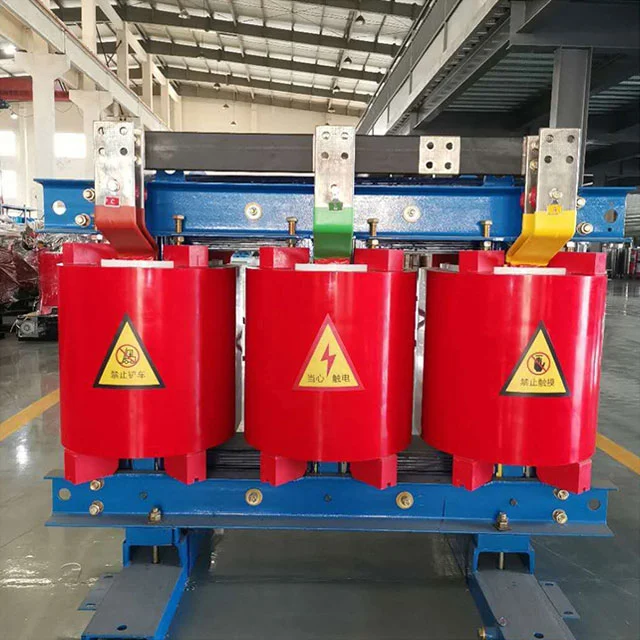
A 500kVA dry transformer has become one of the most widely used power distribution solutions across commercial buildings, industrial facilities, renewable energy systems, healthcare institutions, and data centers. Unlike oil-filled transformers, dry-type transformers offer enhanced safety, lower maintenance requirements, and environmentally friendly operation.
This comprehensive guide explores everything buyers need to know about 500kVA dry transformers, including working principles, technical specifications, advantages, installation considerations, industry applications, maintenance practices, and purchasing recommendations. Whether you are planning a new electrical project or upgrading an existing system, this article will help you make informed decisions.
What Is a 500kVA Dry Transformer?
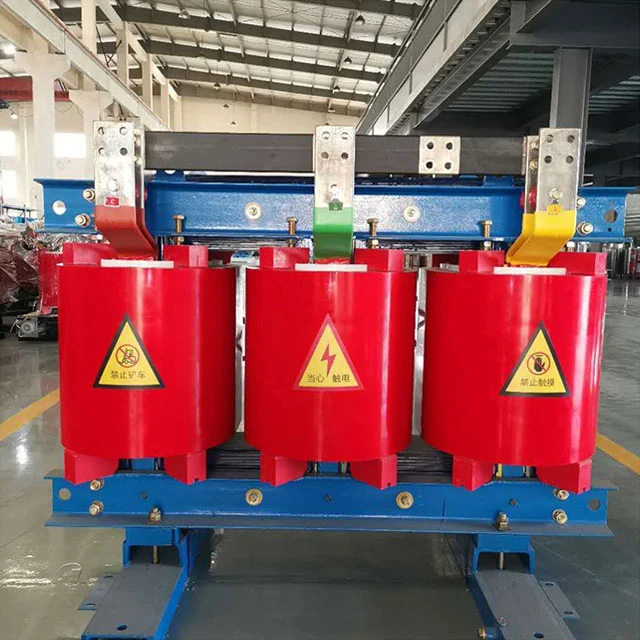
A 500kVA dry transformer is a medium-capacity electrical transformer designed to transfer electrical energy between circuits through electromagnetic induction without using insulating oil as a cooling medium.
Instead of oil, dry transformers utilize air circulation and specialized insulation systems to dissipate heat generated during operation. The windings are typically insulated using high-quality epoxy resin or vacuum pressure impregnated materials.
The 500kVA rating indicates that the transformer can handle up to 500 kilovolt-amperes of apparent power, making it suitable for medium-sized industrial and commercial facilities.
|
Parameter
|
Typical Value
|
|
Capacity
|
500kVA
|
|
Frequency
|
50Hz / 60Hz
|
|
Cooling Method
|
AN / AF
|
|
Insulation Class
|
F / H
|
|
Protection Level
|
IP20-IP54
|
How Does a 500kVA Dry Transformer Work?
The operating principle is based on electromagnetic induction. Electrical energy enters the primary winding, creating a magnetic flux within the transformer core. This magnetic field induces voltage in the secondary winding, enabling power transfer at different voltage levels.
The transformer core is usually manufactured using high-grade silicon steel laminations to minimize energy losses and maximize efficiency.
Dry-type transformers rely on natural or forced air cooling systems. Heat generated by the windings is dissipated directly into the surrounding environment, eliminating the need for oil tanks and associated maintenance.
Typical Technical Specifications
Specifications vary depending on project requirements, local standards, and installation environments.
|
Feature
|
Typical Specification
|
|
Primary Voltage
|
11kV / 10kV / 13.8kV
|
|
Secondary Voltage
|
400V / 415V / 480V
|
|
Efficiency
|
Above 98%
|
|
Temperature Rise
|
80K-100K
|
|
Noise Level
|
Low Noise Design
|
Major Advantages of Dry-Type Transformers
Enhanced Safety
One of the most significant benefits is fire safety. Since no oil is used, there is virtually no risk of oil leakage, combustion, or environmental contamination.
Minimal Maintenance
-
No oil testing required
-
No oil replacement costs
-
Reduced maintenance schedules
-
Lower operating expenses
Environmentally Friendly
Dry transformers eliminate the possibility of soil or groundwater contamination caused by insulating oil leaks.
Compact Installation
Many facilities prefer dry transformers because they can be installed closer to load centers, reducing cable costs and transmission losses.
Excellent Moisture Resistance
Modern cast resin technologies provide strong resistance against humidity, dust, and industrial contaminants.
Common Industry Applications
The versatility of 500kVA dry transformers allows deployment across numerous sectors.
|
Industry
|
Application
|
|
Commercial Buildings
|
Power distribution systems
|
|
Manufacturing Plants
|
Production equipment supply
|
|
Hospitals
|
Critical power support
|
|
Data Centers
|
Reliable energy distribution
|
|
Renewable Energy
|
Solar and wind integration
|
|
Airports
|
Infrastructure power systems
|
Dry Transformer vs Oil-Filled Transformer
|
Factor
|
Dry Transformer
|
Oil-Filled Transformer
|
|
Fire Risk
|
Very Low
|
Higher
|
|
Maintenance
|
Low
|
Moderate
|
|
Environmental Impact
|
Excellent
|
Potential Leakage Risk
|
|
Indoor Installation
|
Ideal
|
Limited
|
|
Initial Cost
|
Higher
|
Lower
|
Although the initial purchase price may be higher, the long-term operational savings often make dry transformers a cost-effective investment.
How to Choose the Right 500kVA Dry Transformer
Choosing the right transformer requires evaluating multiple technical and operational factors.
-
Input and output voltage requirements
-
Load profile and future expansion plans
-
Ambient temperature conditions
-
Installation location
-
Required protection level
-
Harmonic distortion levels
-
Energy efficiency goals
-
Local electrical regulations
Working with experienced manufacturers helps ensure proper customization and compliance with project specifications.
Installation Best Practices
Proper installation significantly affects transformer reliability and lifespan.
-
Ensure adequate ventilation space
-
Maintain manufacturer-recommended clearances
-
Install temperature monitoring systems
-
Provide effective grounding
-
Protect against excessive dust accumulation
-
Verify electrical connections before energizing
Regular commissioning tests should be performed to validate operational readiness.
Maintenance and Inspection Guide
Even though dry transformers require less maintenance than oil-filled units, routine inspections remain essential.
Monthly Inspection
-
Visual condition assessment
-
Check ventilation pathways
-
Monitor operating temperature
-
Inspect electrical connections
Annual Inspection
-
Thermal imaging analysis
-
Insulation resistance testing
-
Cleaning internal components
-
Torque verification of terminals
Preventive maintenance can significantly reduce unexpected downtime and extend service life.
Cost Factors and ROI Analysis
Several factors influence transformer pricing:
-
Core material quality
-
Copper or aluminum windings
-
Insulation technology
-
Efficiency ratings
-
Protection enclosure requirements
-
Customization level
-
Certification standards
While upfront costs vary, energy efficiency improvements and reduced maintenance expenses frequently produce attractive long-term returns.
Future Trends in Transformer Technology
The transformer industry continues to evolve alongside smart grid development and renewable energy expansion.
-
Digital monitoring integration
-
IoT-enabled diagnostics
-
Remote condition monitoring
-
Higher efficiency magnetic materials
-
Advanced thermal management systems
-
Smart predictive maintenance platforms
These innovations are helping operators achieve greater reliability, improved efficiency, and lower lifecycle costs.
Frequently Asked Questions
Q1: What is the expected lifespan of a 500kVA dry transformer?
A properly maintained dry transformer can operate reliably for 25 to 35 years or longer under normal conditions.
Q2: Can a 500kVA dry transformer be installed indoors?
Yes. Dry transformers are specifically designed for indoor installations where safety and environmental protection are priorities.
Q3: Is a dry transformer suitable for renewable energy projects?
Absolutely. Many solar and wind energy facilities utilize dry-type transformers due to their safety, efficiency, and low maintenance requirements.
Q4: How often should maintenance be performed?
Routine visual inspections should occur monthly, while comprehensive testing is typically recommended annually.
Q5: What are the main advantages compared with oil-filled transformers?
Key advantages include improved fire safety, reduced maintenance, environmental friendliness, and easier indoor installation.
Q6: Can dry transformers handle harsh environments?
Modern cast resin designs offer excellent resistance to humidity, dust, and industrial contaminants when properly specified.
Conclusion
A 500kVA dry transformer represents an ideal balance of safety, efficiency, reliability, and environmental responsibility. As industries increasingly prioritize operational continuity and sustainable infrastructure, dry-type transformers continue to gain popularity across commercial, industrial, healthcare, and renewable energy sectors.
By understanding technical specifications, installation requirements, maintenance practices, and application scenarios, decision-makers can maximize the value of their transformer investments while ensuring dependable power distribution for years to come.
For organizations seeking high-quality transformer solutions, Shanghai Industrial Transformer Co., Ltd. provides professional engineering support, customized transformer manufacturing, and dependable power distribution technologies tailored to diverse industry needs.
Contact Us Today to discuss your project requirements and discover the most suitable 500kVA dry transformer solution for your facility.