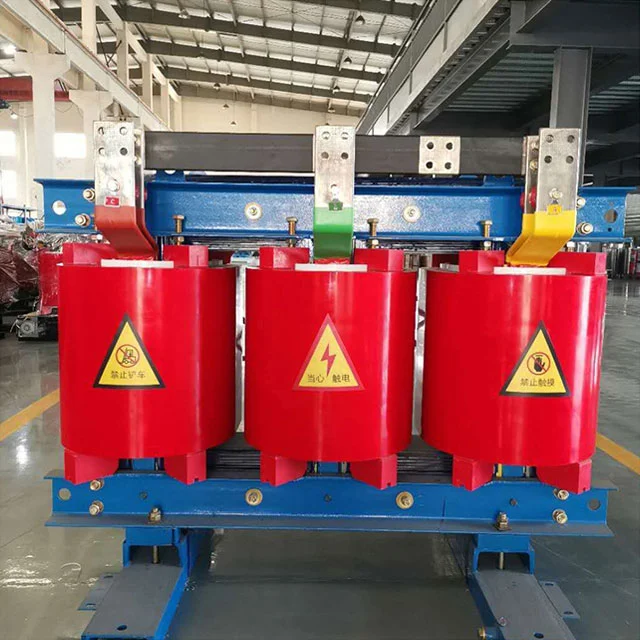
As industries, commercial buildings, renewable energy systems, and infrastructure projects continue to demand safer and more efficient power solutions, the 315kVA Dry Transformer has become one of the most trusted options in modern electrical distribution systems. Its compact structure, fire-resistant design, low maintenance requirements, and reliable performance make it highly suitable for indoor and environmentally sensitive applications. This comprehensive guide explains everything customers need to know about selecting, installing, maintaining, and maximizing the performance of a 315kVA Dry Transformer while solving common operational pain points faced by engineers, contractors, and facility managers.
1. What Is a 315kVA Dry Transformer?
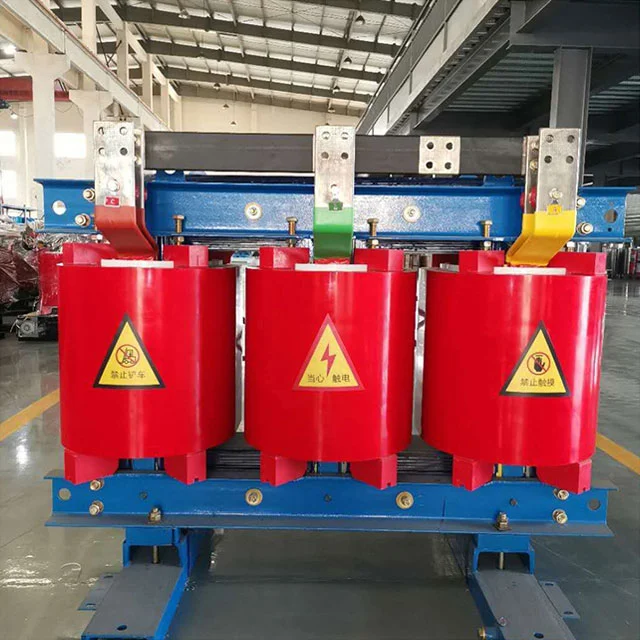
A 315kVA Dry Transformer is a medium-capacity electrical transformer designed to transfer electrical energy between circuits without using liquid insulating oil. Instead, it uses air and high-grade insulation materials such as epoxy resin or cast resin to cool and insulate the transformer windings.
The “315kVA” rating refers to the apparent power capacity the transformer can handle safely under standard operating conditions. These transformers are widely used in commercial buildings, hospitals, data centers, shopping malls, factories, airports, renewable energy stations, and residential complexes.
Unlike oil-filled transformers, dry-type transformers significantly reduce fire hazards and environmental risks, making them highly preferred for indoor installations and densely populated areas.
Key Feature: A 315kVA Dry Transformer delivers stable power distribution while minimizing maintenance costs and operational risks.
|
Parameter
|
Description
|
|
Power Rating
|
315kVA
|
|
Cooling Method
|
Air Cooling (AN/AF)
|
|
Insulation Type
|
Epoxy Resin / Cast Resin
|
|
Installation Area
|
Indoor & Semi-Outdoor
|
|
Frequency
|
50Hz / 60Hz
|
|
Voltage Options
|
Customized According to Project Requirements
|
2. Major Advantages of Dry Transformers
One of the biggest reasons customers choose a 315kVA Dry Transformer is its combination of safety, reliability, and efficiency. These transformers are specifically designed to meet modern operational requirements where downtime and safety risks must be minimized.
-
Excellent fire resistance
-
Minimal environmental pollution risk
-
Low maintenance requirements
-
Compact installation footprint
-
Reduced operational noise
-
Strong overload capability
-
High moisture resistance
-
Long operational lifespan
Traditional oil transformers require regular oil testing, leak monitoring, and fire protection systems. Dry transformers eliminate many of these concerns, helping businesses lower operational costs over time.
For hospitals, schools, metro stations, and commercial complexes, dry transformers provide additional peace of mind because they significantly reduce the possibility of oil leakage and combustion accidents.
3. Common Applications Across Industries
The versatility of a 315kVA Dry Transformer allows it to support multiple industries and electrical distribution scenarios.
|
Industry
|
Typical Usage
|
|
Commercial Buildings
|
Lighting systems, HVAC systems, elevators
|
|
Manufacturing Plants
|
Industrial machinery and automation lines
|
|
Renewable Energy
|
Solar and wind power distribution
|
|
Healthcare Facilities
|
Reliable backup and critical power systems
|
|
Data Centers
|
Stable voltage distribution for servers
|
|
Transportation
|
Railway stations and airports
|
As industrial automation expands globally, the need for highly reliable dry transformers continues to rise. Facilities operating 24/7 especially benefit from the low maintenance nature of dry-type systems.
4. Dry Transformer vs Oil-Immersed Transformer
Many buyers struggle to determine whether a dry transformer or oil transformer is more suitable for their project. Understanding the differences helps avoid costly purchasing mistakes.
|
Feature
|
315kVA Dry Transformer
|
Oil-Immersed Transformer
|
|
Cooling Medium
|
Air
|
Insulating Oil
|
|
Fire Risk
|
Very Low
|
Higher
|
|
Maintenance
|
Low
|
Frequent
|
|
Indoor Installation
|
Ideal
|
Limited
|
|
Environmental Impact
|
Eco-Friendly
|
Potential Oil Leakage
|
|
Initial Cost
|
Slightly Higher
|
Usually Lower
|
While oil transformers may offer lower initial investment in some projects, dry transformers typically provide better long-term value due to reduced maintenance, improved safety, and lower downtime risks.
5. How to Choose the Right 315kVA Dry Transformer
Selecting the correct transformer involves more than simply checking the kVA rating. Customers should evaluate multiple operational factors before making a purchase decision.
-
Input and output voltage requirements
-
Installation environment
-
Altitude and ambient temperature
-
Load characteristics
-
Short-circuit strength
-
Efficiency standards
-
Noise limitations
-
Protection class requirements
For example, transformers used in coastal environments may require enhanced anti-corrosion protection. Similarly, high-temperature industrial facilities often require advanced cooling systems to maintain stable performance.
Choosing the wrong transformer specifications can lead to overheating, energy waste, voltage instability, and premature equipment failure.
Professional manufacturers such as Shanghai Industrial Transformer Co., Ltd. typically provide customized solutions based on the project’s operational requirements.
6. Important Technical Specifications
Technical parameters directly impact transformer efficiency, durability, and compatibility with existing electrical systems.
|
Specification
|
Typical Value
|
|
Rated Capacity
|
315kVA
|
|
Primary Voltage
|
11kV / 10kV / Customized
|
|
Secondary Voltage
|
400V / 415V / Customized
|
|
Insulation Class
|
F / H Class
|
|
Protection Grade
|
IP20 / IP23
|
|
Cooling Method
|
AN or AF
|
|
Temperature Rise
|
≤100K
|
High-quality dry transformers are engineered to maintain stable electrical performance even under fluctuating loads and harsh environmental conditions.
7. Installation Best Practices
Correct installation is critical for ensuring transformer longevity and operational reliability.
-
Ensure proper ventilation around the transformer
-
Maintain recommended safety clearances
-
Use stable and vibration-resistant foundations
-
Install adequate grounding systems
-
Protect against dust and moisture accumulation
-
Verify cable sizing and connection torque
Poor installation often results in overheating, insulation degradation, and excessive operational noise. It is always recommended to follow manufacturer guidelines carefully during commissioning.
Routine thermal scanning after installation can help identify abnormal hotspots early before they become major failures.
8. Maintenance and Inspection Guide
Although dry transformers require less maintenance than oil-filled units, periodic inspections remain essential for long-term reliability.
|
Inspection Item
|
Recommended Frequency
|
|
Visual Inspection
|
Monthly
|
|
Dust Cleaning
|
Quarterly
|
|
Thermal Inspection
|
Every 6 Months
|
|
Electrical Testing
|
Annually
|
|
Connection Tightening
|
Annually
|
Dust accumulation is one of the most common issues affecting dry transformer cooling performance. Keeping ventilation channels clean helps maintain operational efficiency.
Predictive maintenance technologies such as thermal monitoring and IoT sensors are increasingly being used to detect abnormalities before failures occur.
9. Energy Efficiency and Cost Savings
Energy efficiency is now a major concern for industrial and commercial users. Modern 315kVA Dry Transformers are designed with advanced core materials and optimized winding structures to reduce energy losses.
Two primary forms of transformer losses include:
-
No-load losses (core losses)
-
Load losses (copper losses)
Using high-efficiency transformers can significantly lower electricity costs over the lifespan of the equipment.
A high-efficiency transformer may reduce operational energy costs for decades, making it a financially smart long-term investment.
Organizations seeking sustainability goals also benefit from reduced carbon emissions associated with lower energy consumption.
10. Environmental and Safety Benefits
Environmental safety is one of the strongest selling points of dry-type transformers.
-
No insulating oil leakage
-
Lower fire hazards
-
Reduced environmental contamination
-
Improved indoor air safety
-
Safer for densely populated areas
Many government regulations and construction standards increasingly encourage the use of dry transformers in public infrastructure and commercial buildings.
For green building projects and environmentally sensitive locations, dry transformers are often the preferred solution due to their safer operational characteristics.
11. Common Mistakes Buyers Should Avoid
Purchasing errors can lead to significant operational problems and unnecessary costs.
|
Common Mistake
|
Potential Consequence
|
|
Undersized Capacity
|
Overheating and overload failures
|
|
Ignoring Ventilation Needs
|
Reduced cooling performance
|
|
Choosing Lowest Price Only
|
Reduced reliability and lifespan
|
|
Poor Installation Practices
|
Electrical safety hazards
|
|
Lack of Maintenance
|
Unexpected downtime
|
Working with experienced manufacturers and electrical engineers helps ensure proper transformer sizing and application compatibility.
12. Future Trends in Dry Transformer Technology
The transformer industry continues evolving with advancements in smart monitoring, energy efficiency, and environmentally friendly materials.
-
IoT-enabled condition monitoring
-
Lower-loss magnetic core materials
-
Compact high-density designs
-
Enhanced fire-resistant insulation systems
-
Smart grid compatibility
As renewable energy and industrial automation continue expanding globally, demand for intelligent dry transformers will increase significantly.
Manufacturers such as Shanghai Industrial Transformer Co., Ltd. continue investing in advanced production technologies to meet the growing demand for safer and more efficient electrical infrastructure.
13. Frequently Asked Questions
Q1: What is the lifespan of a 315kVA Dry Transformer?
Under proper operating conditions and regular maintenance, a high-quality dry transformer can operate reliably for 20–30 years or more.
Q2: Can dry transformers be used outdoors?
Yes, but appropriate protective enclosures and weatherproof designs are required for outdoor installations.
Q3: Are dry transformers more expensive?
Initial costs may be slightly higher than oil transformers, but lower maintenance and improved safety often result in lower lifetime operating costs.
Q4: Why are dry transformers safer?
They eliminate flammable insulating oil, greatly reducing fire and environmental contamination risks.
Q5: How often should maintenance be performed?
Basic inspections should be conducted monthly, while detailed electrical testing is typically recommended annually.
14. Conclusion
The 315kVA Dry Transformer has become a highly reliable solution for modern electrical distribution systems due to its outstanding safety, low maintenance requirements, environmental advantages, and stable operational performance. Whether used in commercial facilities, industrial plants, healthcare institutions, renewable energy projects, or transportation infrastructure, dry transformers provide dependable long-term value.
Choosing the right transformer supplier is equally important. High manufacturing standards, strict quality control, advanced insulation systems, and customized engineering support all contribute to reliable transformer performance throughout its operational life.
As power distribution systems become more intelligent and energy-efficient, dry transformer technology will continue playing a vital role in supporting safe and sustainable infrastructure worldwide.
Contact Us
Looking for a reliable and high-performance 315kVA Dry Transformer for your next project? Shanghai Industrial Transformer Co., Ltd. provides professional transformer manufacturing solutions tailored to industrial, commercial, and infrastructure applications. Contact us today to receive technical consultation, customized specifications, competitive pricing, and expert support for your power distribution needs.